
At SOMA Hormone & Wellness, we offer hormonal mood swings and anxiety support virtually across Ontario for patients experiencing irritability, emotional sensitivity, increased anxiety, low mood, poor sleep, brain fog, fatigue, stress sensitivity, cycle-related mood changes, or other symptoms that may be connected to hormones, perimenopause, menopause, PCOS, thyroid health, metabolic health, or overall wellness.
Mood changes can affect your relationships, work, confidence, sleep, motivation, and daily quality of life. You may feel more reactive than usual, more anxious, more easily overwhelmed, or less emotionally steady than you used to.
At SOMA Hormone & Wellness, we take a personalized and clinically guided approach to hormonal mood swings and anxiety symptoms. Instead of assuming one cause, we look at the full picture, including your symptoms, health history, hormone changes, thyroid function, metabolic health, sleep, stress, medications, lifestyle, cycle patterns when relevant, and lab work when appropriate.
Our virtual care model allows patients across Ontario to access hormone-focused support from home, with a clear process for assessment, treatment planning, and ongoing follow-up.
Hormone-related mood symptoms can show up in different ways. Some people notice irritability or emotional sensitivity, while others experience increased anxiety, low mood, racing thoughts, poor sleep, or a general feeling that they are not coping the way they used to. Common symptoms we help assess include:
These symptoms do not always mean hormones are the only cause. They do mean your hormones, thyroid health, sleep, stress, metabolic health, and overall wellbeing may be worth assessing properly.
Book Your ConsultationMood swings and anxiety symptoms can be connected to many different systems in the body. Hormone changes may play a role, but mood and stress sensitivity can also be affected by poor sleep, chronic stress, thyroid function, blood sugar changes, nutrient status, medications, perimenopause, menopause, PCOS, low testosterone, metabolic health, and lifestyle demands. For women, mood changes may become more noticeable during PMS, perimenopause, menopause, or PCOS-related hormone changes.
These symptoms may happen alongside poor sleep, hot flashes, night sweats, irregular periods, cravings, weight changes, or low libido. For men, mood changes may overlap with low testosterone symptoms, fatigue, poor motivation, brain fog, poor sleep, low libido, weight gain, or reduced recovery. At SOMA Hormone & Wellness, hormonal mood swings and anxiety support may include hormone assessment, thyroid and metabolic evaluation, lifestyle recommendations, sleep and stress strategies, supplement guidance, hormone-focused care when appropriate, and further investigation when needed.
Your care plan is based on your symptoms, health history, lab work when appropriate, risk factors, and personal goals. The goal is not to treat mood symptoms as isolated from the rest of your health. The goal is to understand what may be contributing to how you feel and support your wellbeing in a safe, realistic, and personalized way.
Book Your Consultation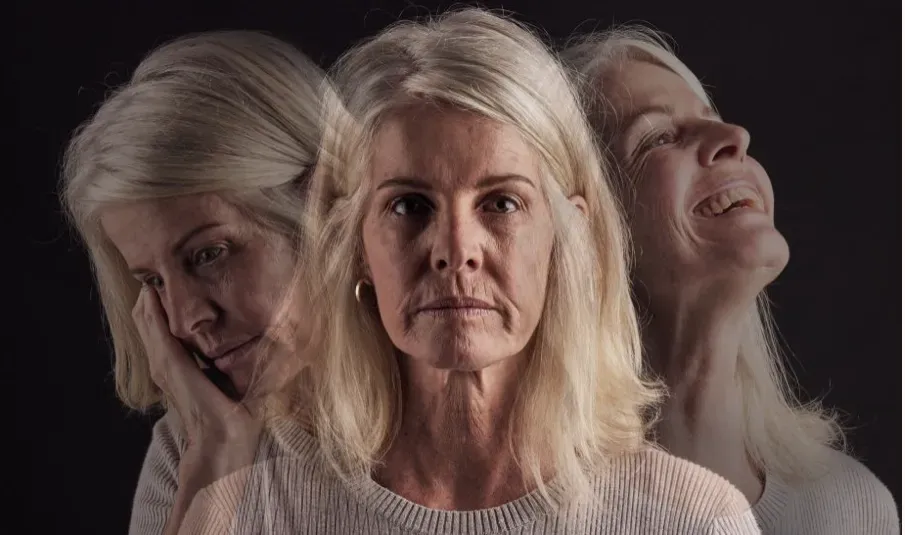
Every person’s experience with mood changes is different. Two people can both feel anxious, irritable, or emotionally sensitive but have completely different contributing factors, including hormone changes, thyroid health, sleep quality, stress load, metabolic health, medications, nutrition, stage of life, and health history. That is why our process is designed to be thorough, personalized, and clinically guided.
Book a Free Discovery CallBook a free call to talk through your goals and see if SOMA is the right fit for you.
Targeted lab testing is arranged to assess your hormones and overall metabolic health.
In your virtual visit, we review your symptoms, history, lifestyle, and lab results together.
Where appropriate, your plan may include hormone therapy, lifestyle guidance, and medication management.
Regular follow-up visits keep your treatment safe, effective, and aligned with how you feel.
Hormonal mood swings and anxiety support may be helpful if irritability, emotional sensitivity, anxiety symptoms, poor sleep, brain fog, or low mood are affecting your work, relationships, confidence, motivation, or daily quality of life. Support should always be personalized and based on a proper clinical assessment.
If you are experiencing these symptoms, a hormone assessment may help identify the underlying cause.
See If You May Be a CandidateSOMA Hormone & Wellness provides virtual hormonal mood swings and anxiety support for patients across Ontario. This allows you to access care without needing to commute to a clinic, while still receiving a structured assessment, lab review when appropriate, personalized care plan, and follow-up.
Virtual care may be a good fit if you are experiencing mood changes, irritability, anxiety symptoms, poor sleep, fatigue, brain fog, hormone-related symptoms, or metabolic concerns and want a more convenient and supportive way to begin. Through our virtual model, you can discuss your symptoms, complete appropriate lab work when needed, review your options, and receive a personalized care plan while staying connected to care from home.
Hormone changes may contribute to mood swings for some people, especially when symptoms overlap with perimenopause, menopause, PMS, PCOS, thyroid concerns, low testosterone, poor sleep, fatigue, weight changes, or metabolic health concerns. A proper assessment can help determine whether hormones may be part of the picture.
Hormone changes may contribute to increased anxiety or stress sensitivity for some patients, but anxiety symptoms can have many possible causes. Sleep, stress, thyroid function, medications, nutrient status, lifestyle factors, and mental health history may also play a role.
No. Mood swings are not always caused by hormones. They can also be related to poor sleep, chronic stress, medications, mood disorders, thyroid function, blood sugar changes, nutrient deficiencies, lifestyle demands, or other health concerns.
Yes. Perimenopause and menopause can be associated with mood swings, irritability, anxiety symptoms, poor sleep, brain fog, hot flashes, night sweats, and fatigue. A personalized assessment can help determine what may be contributing.
PCOS may overlap with mood changes, stress sensitivity, cravings, fatigue, irregular periods, insulin resistance concerns, and body composition changes. PCOS care often benefits from looking at both hormone and metabolic health.
Bloodwork may be helpful when assessing hormone markers, thyroid function, metabolic health, blood sugar regulation, nutrient status, and other factors that may overlap with mood changes, poor sleep, fatigue, or weight changes.
Yes. Poor sleep can affect mood, stress tolerance, focus, appetite, hormones, energy, and overall wellbeing. Sleep is an important part of a complete hormone and wellness assessment.
Yes. SOMA Hormone & Wellness offers virtual mood and hormone assessments for patients across Ontario, making it easier to access personalized care from home.
Send a short note and Sri will come back to you to arrange your first appointment. Existing patients can continue to use the patient portal for follow up visits.