At SOMA Hormone & Wellness, we offer hot flashes and night sweats treatment virtually across Ontario for women experiencing sudden heat, flushing, sweating, sleep disruption, nighttime waking, fatigue, mood changes, and other symptoms that may be connected to perimenopause, menopause, hormone changes, thyroid function, stress, or metabolic health.
Hot flashes and night sweats are common during perimenopause and menopause, but that does not mean you have to simply live with them. For some women, these symptoms are occasional and manageable. For others, they can be frequent, intense, disruptive, and exhausting.
At SOMA Hormone & Wellness, we take a personalized and evidence-informed approach to hot flashes and night sweats treatment. Instead of treating these symptoms in isolation, we look at your full health picture, including your age, cycle history, menopause stage, sleep, stress, medications, thyroid health, metabolic health, lifestyle, symptoms, and lab work when appropriate.
Our virtual care model allows women across Ontario to access hormone-focused support from home, with a clear process for assessment, treatment planning, and ongoing follow-up.
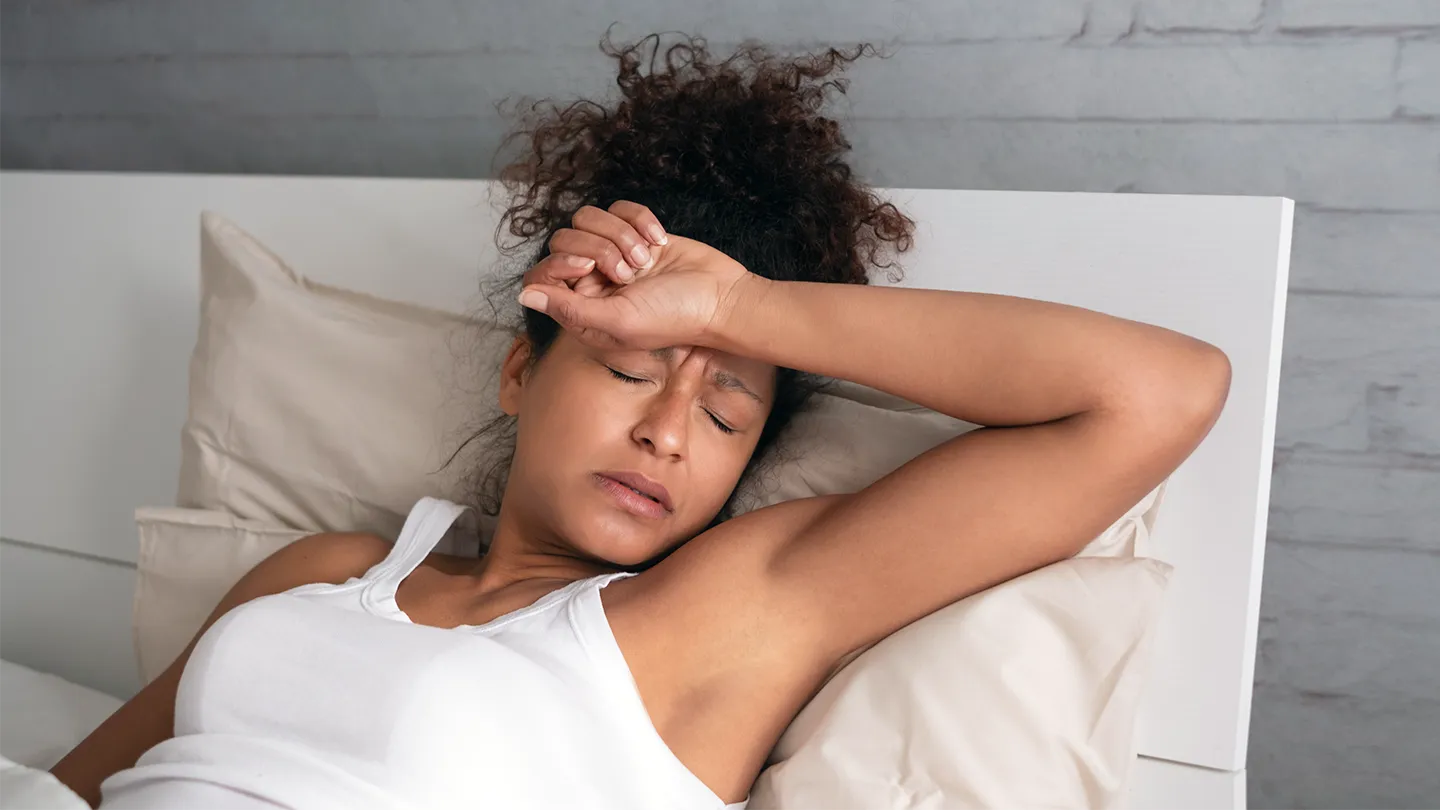
Hot flashes and night sweats can show up in different ways. Some women feel a sudden wave of heat during the day. Others wake up drenched at night, struggle to fall back asleep, or feel tired and foggy the next morning. Common symptoms we help assess include:
These symptoms do not always have one simple cause. They may be connected to perimenopause, menopause, hormone fluctuations, thyroid function, stress, sleep disruption, medications, or other health factors. A proper assessment can help identify what may be contributing to your symptoms.
Book Your ConsultationHot flashes and night sweats are often associated with hormonal changes during perimenopause and menopause. However, they can also overlap with thyroid concerns, stress, medication effects, blood sugar changes, sleep disruption, and other health factors.
At SOMA Hormone & Wellness, treatment may include hormone therapy when appropriate, non-hormonal options, lifestyle support, sleep strategies, stress management, metabolic support, supplement guidance, and ongoing monitoring. Your care plan is based on your symptoms, health history, risk factors, lab work when needed, and personal goals.
The goal is not just to reduce hot flashes or night sweats. The goal is to help you sleep better, feel more comfortable in your body, improve daily energy, and support your long-term health.
Book Your Consultation
Every woman experiences hot flashes and night sweats differently. Two women can have similar symptoms but need very different care depending on their menopause stage, health history, risk factors, sleep patterns, stress levels, and treatment preferences. That is why our process is thorough, personalized, and clinically guided.
Book a Free Discovery CallBook a free call to talk through your goals and see if SOMA is the right fit for you.
Targeted lab testing is arranged to assess your hormones and overall metabolic health.
In your virtual visit, we review your symptoms, history, lifestyle, and lab results together.
Where appropriate, your plan may include hormone therapy, lifestyle guidance, and medication management.
Regular follow-up visits keep your treatment safe, effective, and aligned with how you feel.
Treatment may be helpful if hot flashes or night sweats are disrupting your sleep, energy, mood, focus, comfort, confidence, or daily quality of life. Support should always be personalized and based on a proper clinical assessment.
If you are experiencing these symptoms, a hormone assessment may help identify the underlying cause.
See If You May Be a CandidateSOMA Hormone & Wellness provides virtual hot flashes and night sweats treatment for women across Ontario. This allows you to access care without needing to commute to a clinic, while still receiving a structured assessment, lab review when appropriate, personalized treatment plan, and follow-up.
Through our virtual model, you can discuss your symptoms, complete appropriate lab work when needed, review your options, and receive a personalized care plan while staying connected to care from home.
Hot flashes and night sweats are commonly associated with hormone changes during perimenopause and menopause. They may also overlap with thyroid concerns, stress, sleep disruption, medications, blood sugar changes, or other health factors.
No. Hot flashes are commonly related to perimenopause or menopause, but they are not always caused by menopause alone. A proper assessment can help determine whether hormones, thyroid health, medications, stress, sleep, or other factors may be contributing.
Treatment may help some women manage night sweats, especially when they are related to perimenopause or menopause. Care may include hormone therapy when appropriate, non-hormonal options, sleep support, lifestyle strategies, and follow-up monitoring.
No. Hormone therapy is not right for every woman. Your provider will review your symptoms, medical history, risk factors, preferences, and goals before determining whether hormone therapy or another treatment option may be appropriate.
Yes. Night sweats can disrupt sleep and may contribute to daytime fatigue, brain fog, mood changes, irritability, and reduced energy. Improving sleep quality is often an important part of treatment.
Bloodwork may be helpful in some cases, especially when assessing thyroid function, metabolic health, nutrient status, or other factors that may overlap with hot flashes, night sweats, fatigue, or sleep changes.
Yes. Hot flashes and night sweats can begin during perimenopause, even before periods fully stop. Some women continue to have regular or changing cycles while experiencing temperature changes, poor sleep, mood changes, or brain fog.
Yes. SOMA Hormone & Wellness offers virtual hot flashes and night sweats treatment and hormone assessments for women across Ontario, making it easier to access personalized care from home.
Send a short note and Sri will come back to you to arrange your first appointment. Existing patients can continue to use the patient portal for follow up visits.